

Looking back, it is clear that many 1980s computers that left their mark did so by transforming how we work and play. These vintage computing icons brought digital power into our homes, replacing complex systems with accessible technology. This era of personal hardware sparked a global revolution in coding and gaming. Even today, the legacy of these classic machines continues to shape our modern electronic world.
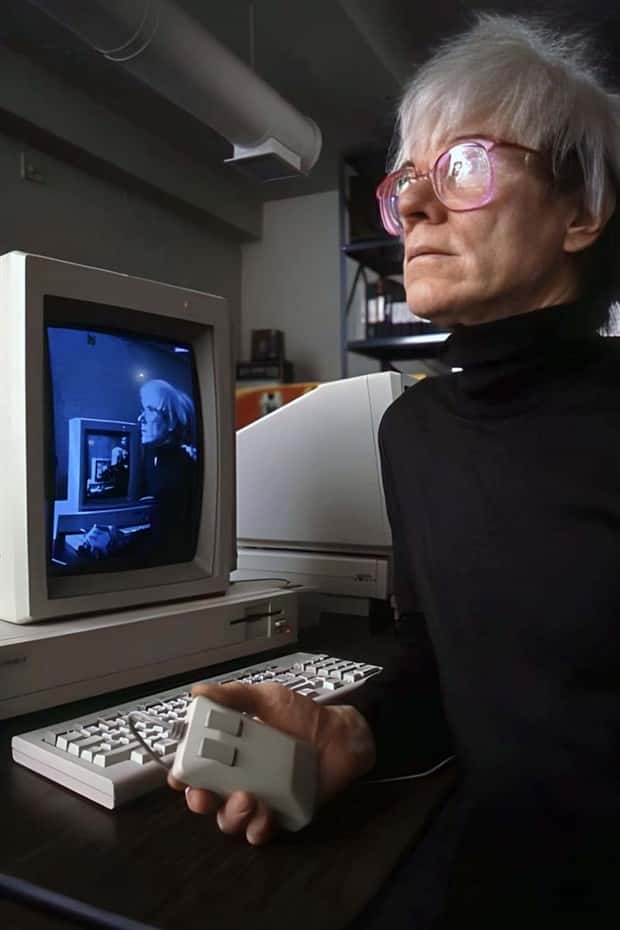
Amiga 1000: The Amiga 1000 introduced advanced graphics, true multitasking, and stereo sound, offering a bold preview of our multimedia future.
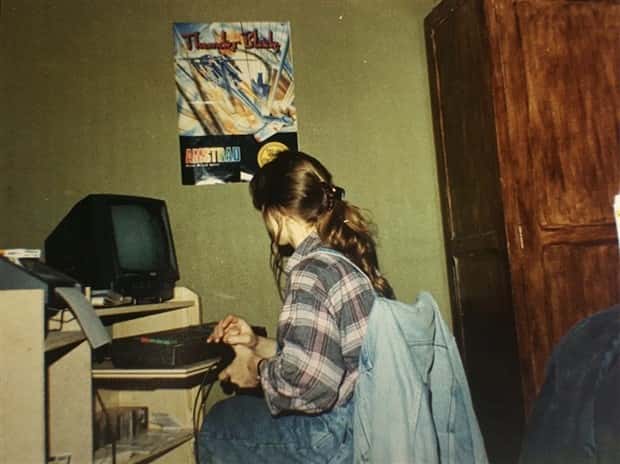
Amstrad CPC 464: By integrating a monitor and cassette deck into a single package, the Amstrad CPC 464 offered a practical, ‘all-in-one’ solution that let families skip complicated setups and jump straight into programming or play.
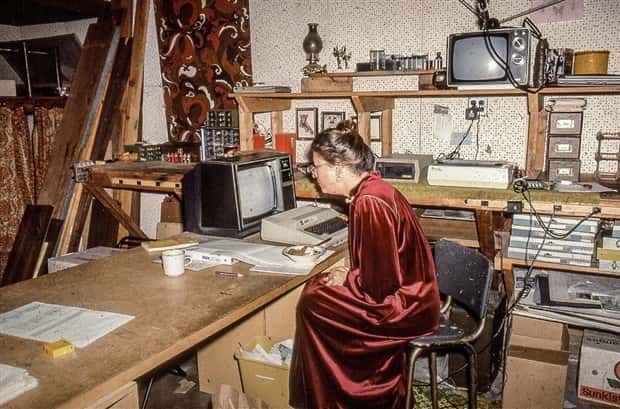
Apple II: The Apple II defined home and school computing in the early ’80s, serving as the first computer for most people. It was approachable and backed by a rapidly growing software ecosystem.

Atari 800: Dominant in the early ’80s, the Atari 800 leveraged Atari’s arcade expertise to deliver superior graphics and sound for the home market.
Atari ST: Defined by affordable 16-bit power and built-in MIDI ports, the Atari ST became the go-to choice for musicians and small studios.
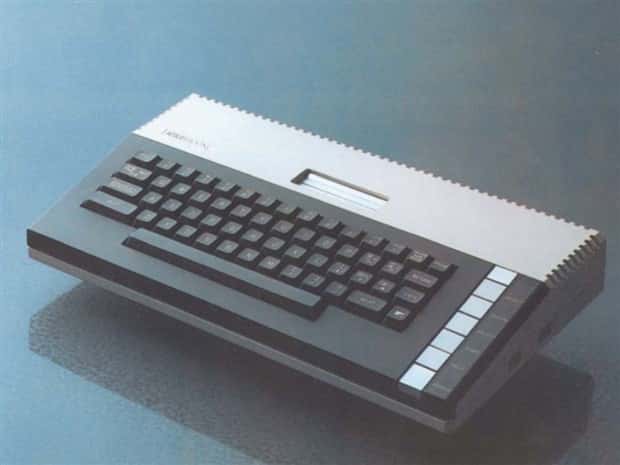
BBC Micro: Commissioned as part of a national literacy initiative, the BBC Micro became a UK classroom staple that inspired a generation of future engineers and fueled Britain’s tech sector.
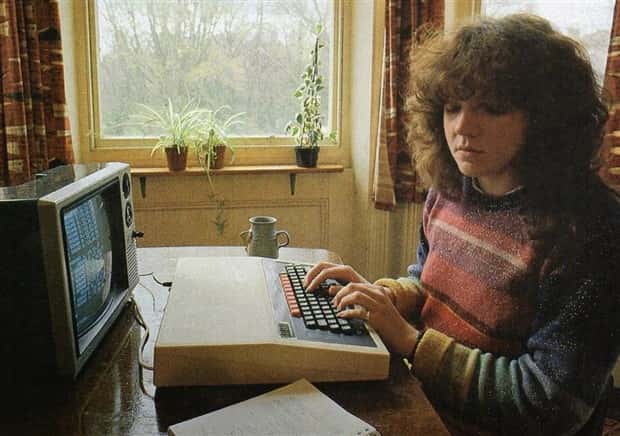
Commodore 64: As the best-selling single computer model of all time, the Commodore 64 offered unparalleled graphics and sound for its era at an affordable price. Its legendary SID audio chip and massive game library cemented its place in computing history.

Commodore 128: As the compatible successor to the C64, the Commodore 128 offered expanded memory and versatile operating modes, bridging the gap between home and business computing.

Commodore VIC-20: Preceding the C64, the colorful and affordable VIC-20 made history as the first computer to sell over one million units.
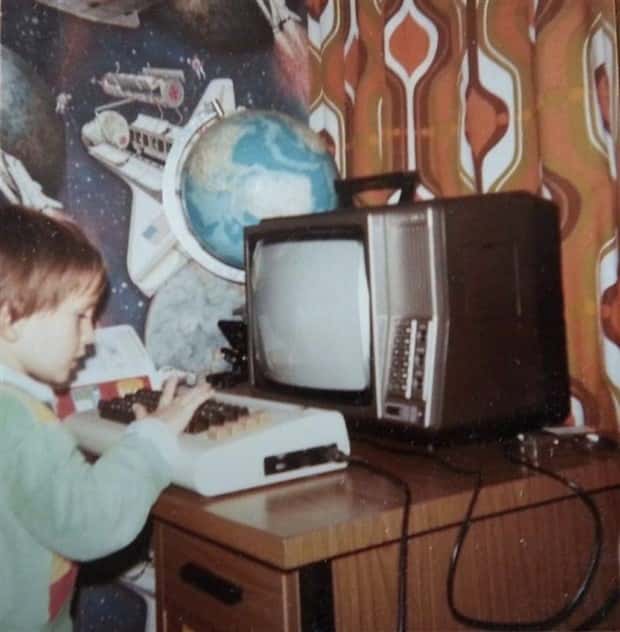
IBM Personal Computer: By establishing open architecture standards, the IBM PC legitimized computing for both home and business, sparking a massive ‘clone’ market that continues to shape the desktop landscape today.
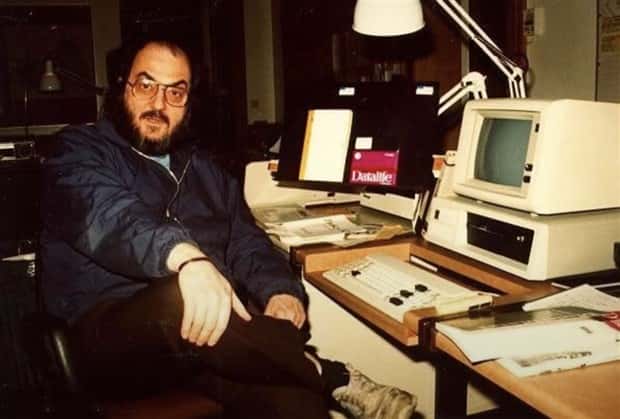
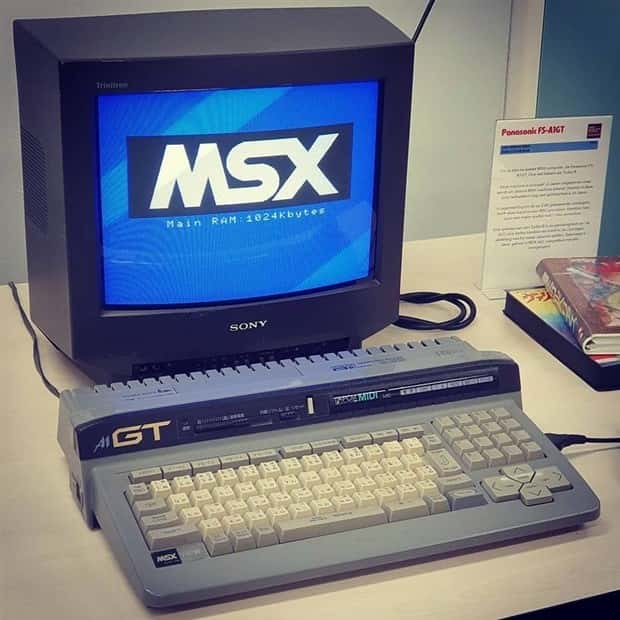
MSX: By unifying hardware from multiple manufacturers under a single compatible standard, the MSX became a powerful gateway to gaming and programming across Japan, Europe, and South America.
Sinclair ZX81: Available as both a DIY kit and a pre-assembled machine, the ZX81 was a true gateway computer: basic, affordable, and at times, delightfully frustrating.

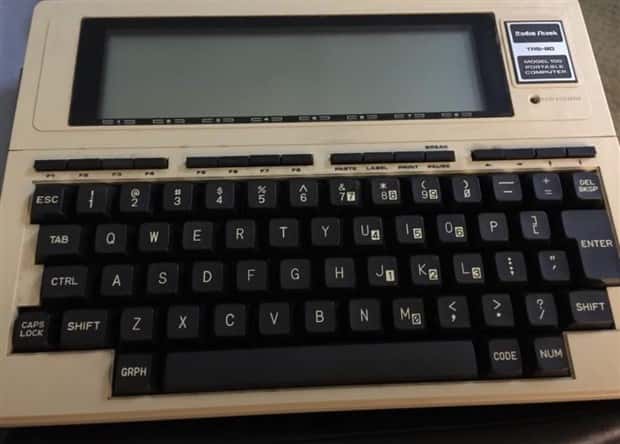
Tandy TRS-80 Model III: Sleek and widely available through RadioShack stores, the Model III turned personal computing into a familiar household appliance.
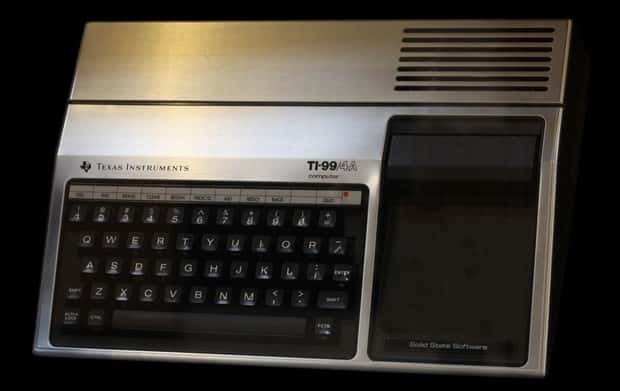
Texas Instruments TI-99/4A: With its futuristic design and 16-bit processor, the TI-99/4A outpaced its 8-bit rivals, yet a brutal price war ultimately cut its commercial life short.
ZX Spectrum: Born in the UK, this affordable and compact machine inspired a generation of ‘bedroom coders’ despite its iconic rubber keys and color-clashing graphics.




























Add comment